
A practical guide to protecting ageing skin—and enjoying a refreshing start to the day
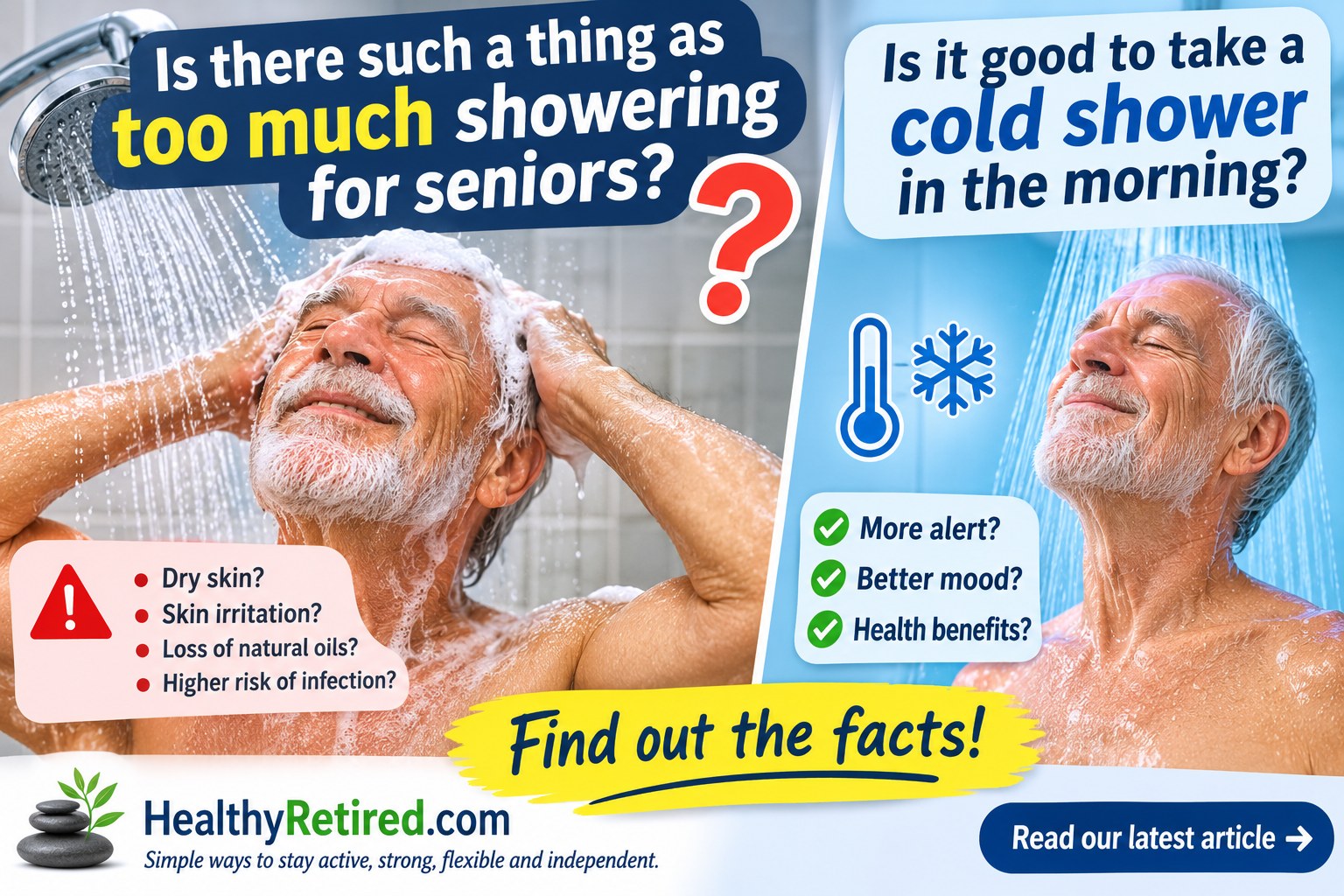
HealthyRetired.com | Showering and cold morning showers
A simple daily habit with a few important details
A shower can be refreshing, comforting and an easy part of a healthy routine. But as we age, our skin changes. The same long, hot shower that once felt wonderful may leave older skin dry, itchy or irritated. And while a cool shower can make us feel more awake, claims that it boosts longevity or prevents disease go beyond what current evidence can establish.
Can you shower too often as you get older?
There is no single ideal shower schedule for every senior. How often to wash depends on activity, sweating, climate, skin condition and personal preference. In a hot, humid place—or after swimming or exercise—a daily rinse may be entirely reasonable. The bigger concern is often how we shower: very hot water, long showers and frequent use of harsh or heavily fragranced cleansers can strip the skin’s protective oils.
Ageing skin tends to become thinner and drier, and may be more easily irritated. A damaged skin barrier can contribute to itching, cracking and inflammation. Cracked or broken skin can also provide an entry point for infection, although showering itself is not inherently an infection risk.
A skin-friendly shower routine
- Keep showers brief—around 5 to 10 minutes is a useful guide.
- Choose warm or lukewarm water rather than very hot water.
- Use a gentle, fragrance-free cleanser, focusing on areas that need it.
- Avoid vigorous scrubbing and rough washcloths.
- Pat skin dry instead of rubbing it hard.
- Apply a moisturizer soon after bathing, especially if your skin feels tight or itchy.
- If you shower daily, consider rinsing with water alone on some days and using cleanser selectively.
If you have a skin condition, wounds, or a clinician’s specific washing instructions, follow that individual advice. Persistent itching, rash, painful cracks or signs of infection deserve medical attention.
Is a cold shower good in the morning?
A cool or cold shower can feel invigorating. The sudden sensation may increase alertness, and some people report a temporary lift in mood. Cold-water exposure has also been studied in the context of exercise recovery. However, evidence for broad health benefits is limited and varies by outcome.
A cold shower is not a proven way to extend lifespan, prevent dementia, or reliably strengthen the immune system. It is best viewed as a personal preference that may help you feel refreshed—not as a medical treatment.
Cold water: a note of caution for older adults
Sudden cold exposure can trigger a rapid breathing response and temporarily raise heart rate and blood pressure. This matters particularly for people with cardiovascular disease, rhythm problems, or poorly controlled blood pressure. A very cold shower may also increase the chance of feeling unsteady, which is a concern in a slippery bathroom.
If you have heart or circulation problems, ask your healthcare professional whether cold showers are appropriate. Stop immediately if you feel dizzy, unusually short of breath, develop chest discomfort, or feel unwell.
A gentle way to try a cooler morning shower
- Begin with comfortable, lukewarm water.
- Gradually make it cooler rather than switching abruptly to icy water.
- Keep the cool part brief and breathe normally—do not hold your breath.
- Use a stable, non-slip surface and take care when stepping out.
- Warm up afterward if you feel chilled; there is no need to endure discomfort.
The HealthyRetired takeaway
For ageing skin, gentle washing usually matters more than chasing a perfect shower frequency. Shorter, warm showers and regular moisturizing can help protect the skin barrier. A cool morning shower may be an enjoyable way to feel awake, provided it is comfortable and safe for you—but the evidence does not support treating it as a longevity shortcut.
In other words: keep clean, keep your skin comfortable, and let your body—not a wellness trend—set the temperature.
Sources and further reading
- American Academy of Dermatology Association. “Skin care in your 60s and 70s.” https://www.aad.org/public/everyday-care/skin-care-basics/care/skin-care-in-your-60s-and-70s
- American Academy of Dermatology Association. “A dermatologist’s guide to skincare for older adults.” https://www.aad.org/public/everyday-care/skin-care-basics/care/skin-care-for-older-adults
- Cleveland Clinic. “Cold Shower Benefits.” https://health.clevelandclinic.org/ преимущества-cold-shower-benefits
Health note: This article is for general information and is not a substitute for individual medical advice. Speak with a qualified healthcare professional before making significant changes to your health routine, especially if you have a heart or circulation condition.